Bladder cancer: finding it early and treating it in Lawrenceville
Good news for south Hall: our Mundy Mill Road office in Oakwood opens soon. In the meantime, Hall County patients are seen at our Braselton Clinic on Old Winder Hwy, and any procedure is planned at our Lawrenceville Clinic & Surgery Center.
The most common first sign of bladder cancer is blood in the urine, often with no pain at all. A look inside the bladder with a small camera tells us quickly whether a tumor is there, and most bladder cancers are found before they spread into the muscle.
What symptoms should you watch for?
Visible blood in the urine, even once, is the classic warning. Blood that shows up on a urine test, but not to the eye, counts too. Some people have urgency, frequent trips or burning without an infection. Smoking and long exposure to certain workplace chemicals raise the risk.
When should you see a urologist?
Any time you see blood in your urine, or a urine test shows it, even if it clears up on its own. Repeated "infections" where cultures come back negative also deserve a urology look.
How is bladder cancer diagnosed here?
A urine test and imaging of the kidneys and bladder come first, often a CT scan. Then an office cystoscopy: a thin, flexible camera passed into the bladder after numbing gel. If a tumor is seen, a TURBT removes it through the urethra under anesthesia, and the tissue shows the type and depth. FDG PET/CT can help stage cancers that may have spread.
Which treatments do we offer?
- TURBT to remove tumors that sit on the bladder lining.
- Medicines placed inside the bladder, such as BCG, mitomycin and Valstar, to lower the chance of the cancer coming back or growing.
- Surveillance cystoscopy on a regular schedule, because bladder cancer can recur.
- Robotic surgery to remove the bladder and nearby lymph nodes for cancers that are more aggressive or have reached the muscle, with other therapies coordinated when needed.
What is recovery like?
After a TURBT many people go home after the procedure, sometimes with a catheter for a few days. Treatments placed in the bladder are usually weekly for a set course and can cause mild burning and frequent urination for a day or so. Bladder removal is a bigger operation with a hospital stay, and your team will prepare you for it in detail.
What do patients ask about bladder cancer?
Is blood in the urine always cancer?
No. Infections, stones and an enlarged prostate cause it far more often. It is checked because cancer is one cause we never want to miss.
What does an office cystoscopy feel like?
Numbing gel is used, the scope is thin and flexible, and the look itself takes a few minutes. Most people feel pressure and an urge to urinate rather than pain.
What is a TURBT?
A procedure under anesthesia that removes a bladder tumor through the urethra, with no skin incision. The tissue is studied to guide the next step.
What is BCG?
A medicine placed into the bladder through a catheter that rouses the immune system against remaining cancer cells. It is a standard step after TURBT for many cancers.
How often will cystoscopy checks be needed?
Surveillance cystoscopies are usually frequent in the first years and spaced out when results stay clear. Our urologists will set the schedule.
Does quitting smoking help?
Yes. Smoking is the biggest known risk factor for bladder cancer, and stopping lowers the chance of new tumors over time.
Which video explains this?
Watch: #013 - Bladder Cancer Uncovered: Symptoms, Treatments, and Hope
What the video covers: A podcast episode on bladder cancer: the symptoms, the treatments, and reasons for hope.
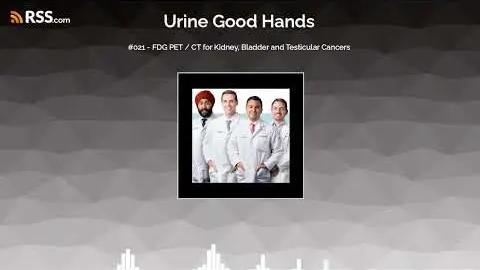 Watch on YouTube: #021 - FDG PET / CT for Kidney, Bladder and Testicular Cancers
What the video covers: A podcast episode explaining the FDG PET/CT scan and how it is used to look for kidney, bladder and testicular cancers.
Videos open on Advanced Urology's YouTube channel.
Which of our urologists focus on this?
These physicians list it among their focus areas on their Advanced Urology profiles. You can ask for one by name when you book.
- Dr. Mukesh Patel, Lawrenceville: Cystoscopy
- Dr. Michael F. Nordsiek, Lawrenceville: Bladder Cancer
Which of our articles go deeper?
Where can you be seen for this?
At the Lawrenceville Clinic & Surgery Center on Crown Pointe Way, where testing and outpatient procedures share one building, or at the Braselton Clinic on Old Winder Highway for visits, lab work and follow-ups. Our Oakwood Clinic is opening soon. Call (678) 344-8900 or book online, and see your first visit and what to bring before you come.
Ready to talk with our urologists? We're here for you.